Midwives Assistant Resource Guide
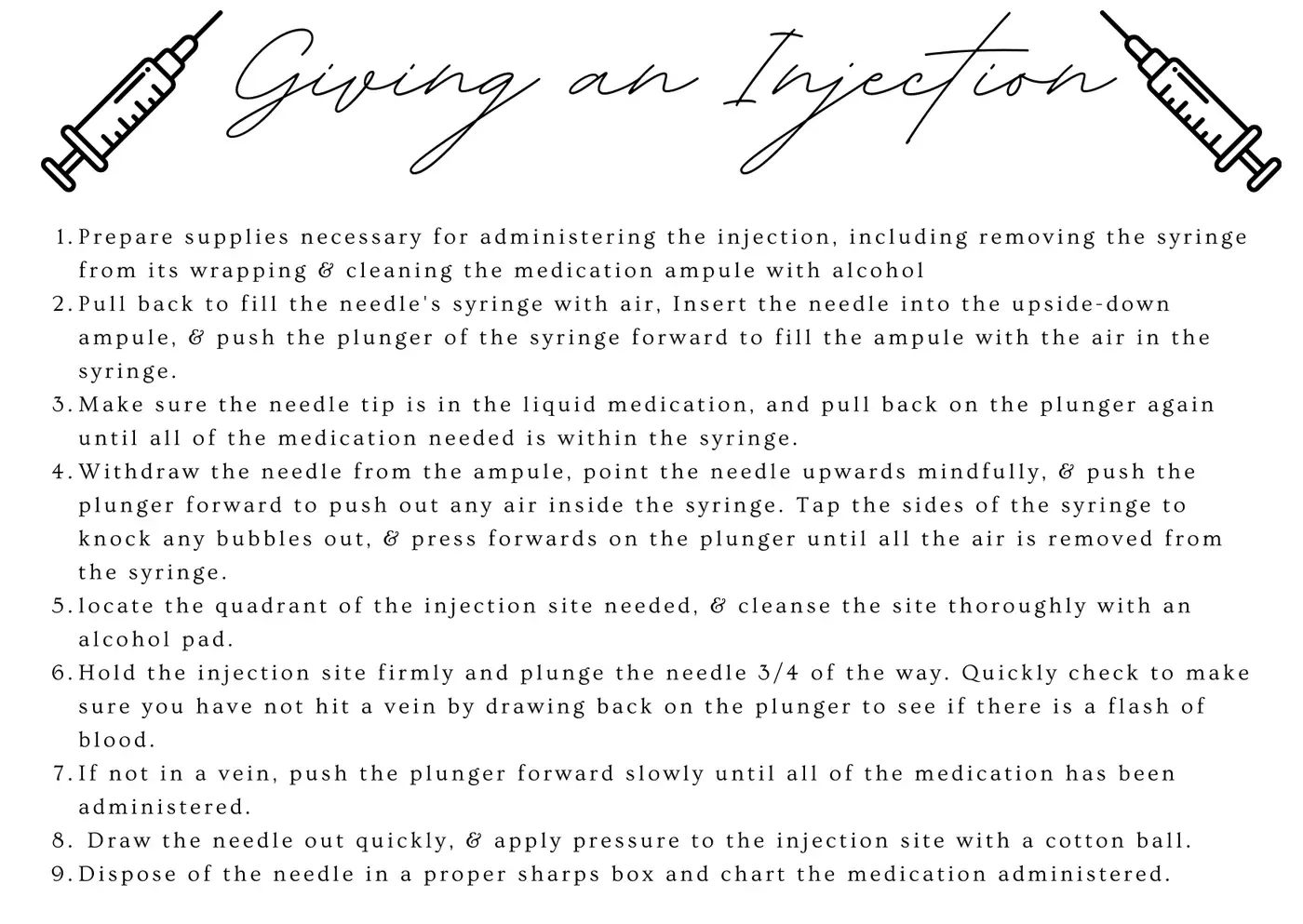
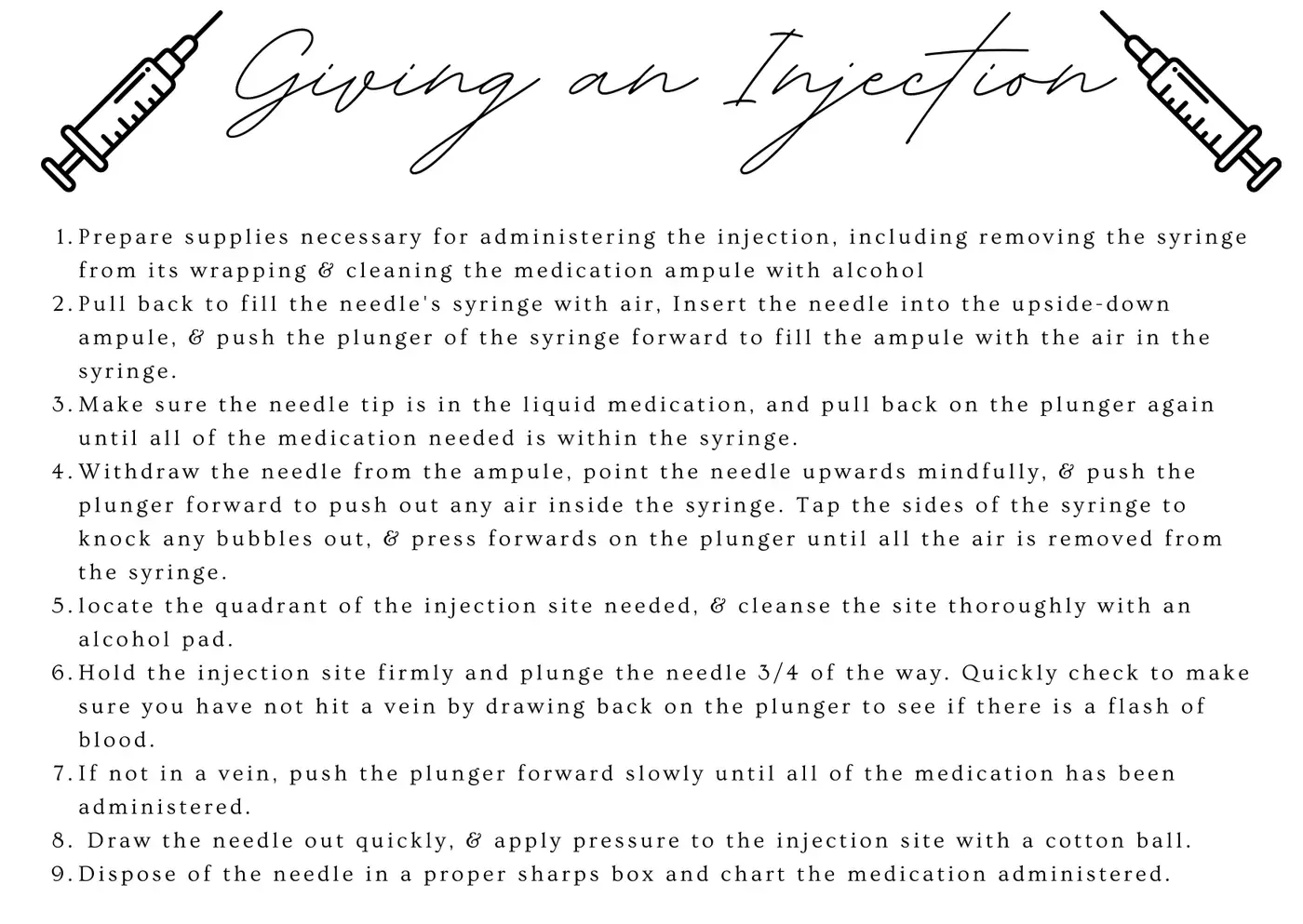
Giving an Injection
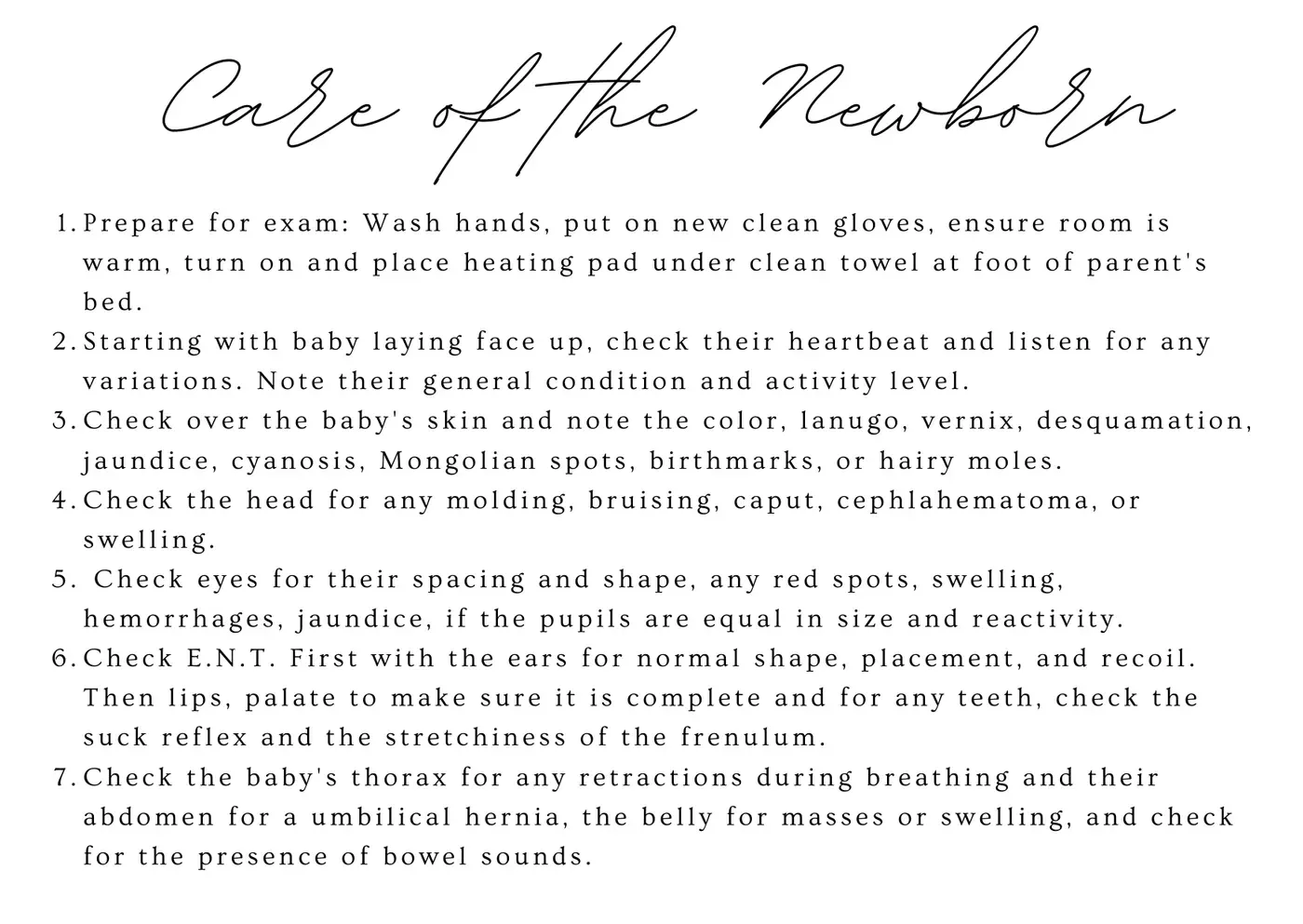
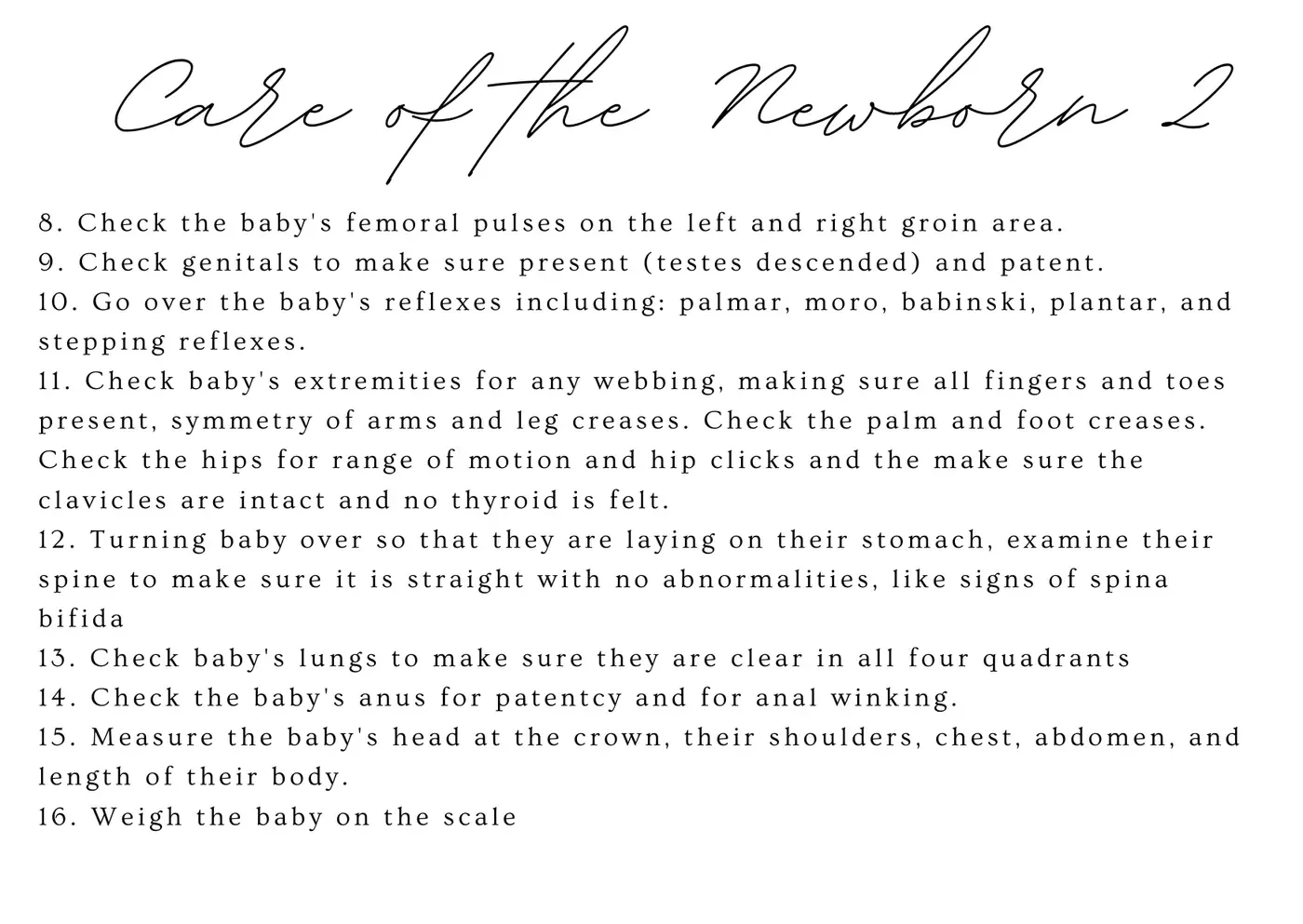
Care of the Newborn
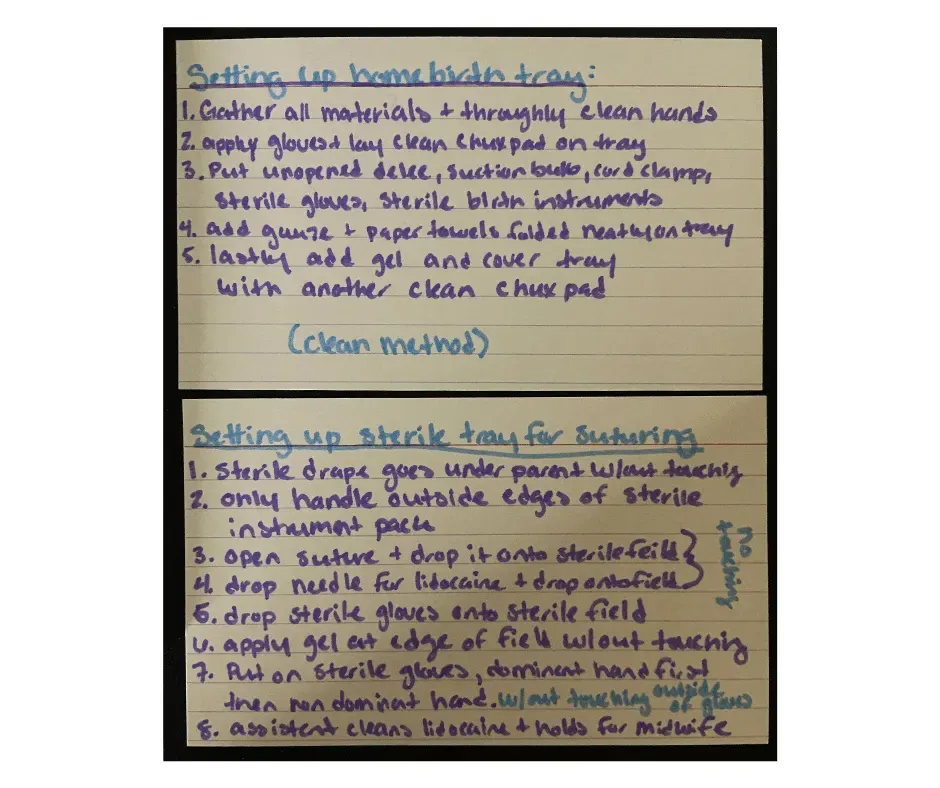
Midwife’s Assistant Resource Guide-Birth Set-Up
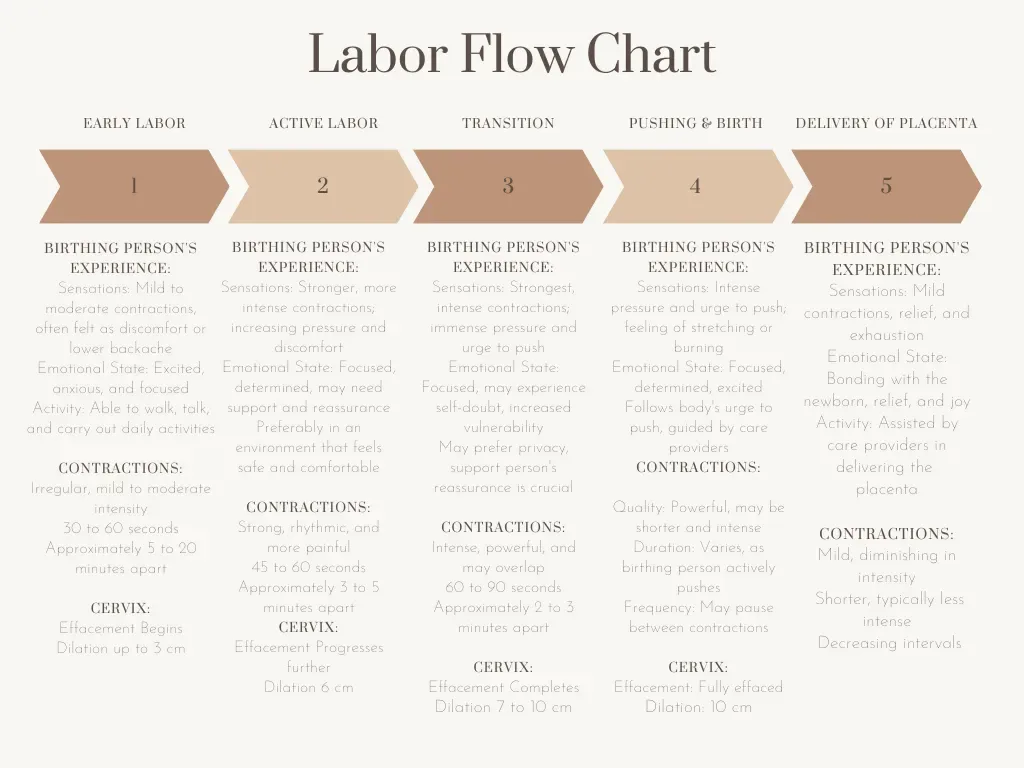
Comfort Measures in Labor Handout by Jennifer Jenkins
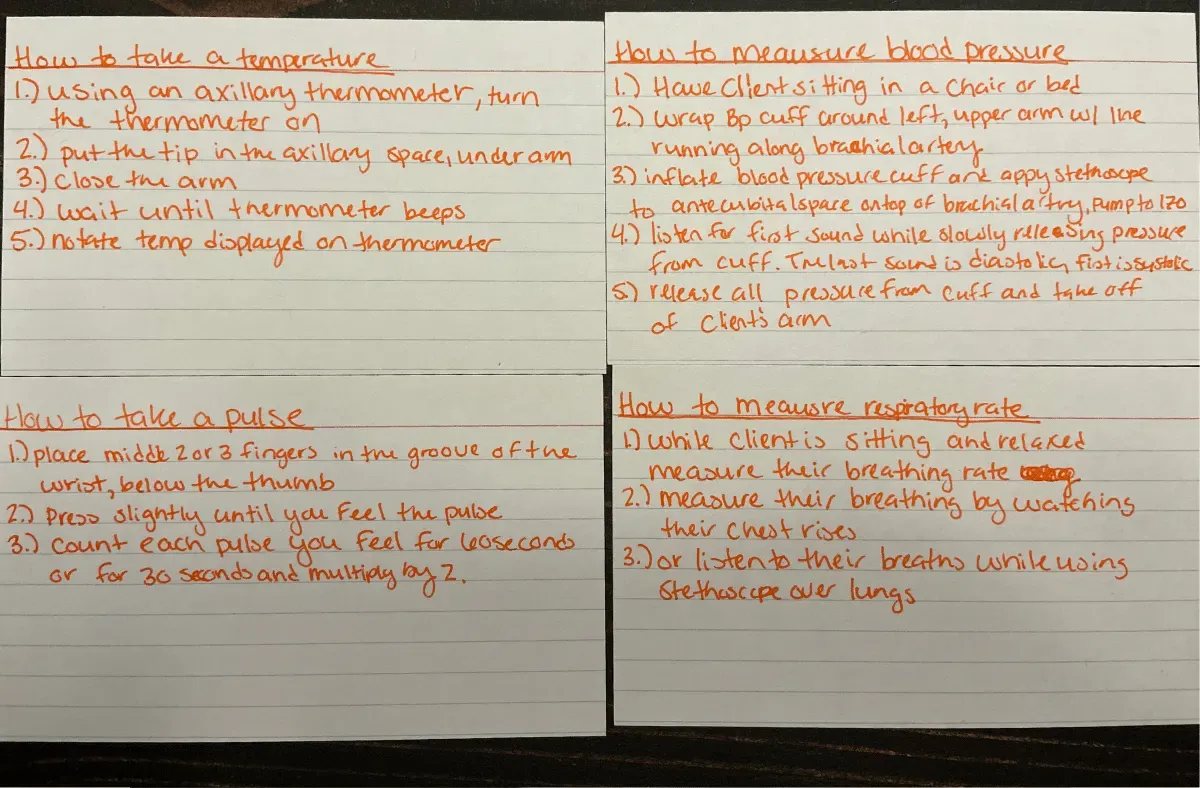
Midwife’s Assistant Resource Guide Vital Signs
Common Discomforts of Pregnancy
- Nausea and Morning Sickness: Many women experience feelings of nausea and may even vomit during the early weeks of pregnancy.
- Fatigue: Hormonal changes and increased energy demands can lead to persistent fatigue and a feeling of low energy during the first trimester.
- Breast Tenderness: Hormonal fluctuations can cause breast tenderness and sensitivity, making the breasts feel sore and swollen.
- Frequent Urination: As the uterus expands, it puts pressure on the bladder, leading to more frequent trips to the bathroom.
- Mood Swings: Hormonal changes can affect mood stability, causing pregnant women to experience emotional ups and downs.
- Food Aversions and Cravings: Many women develop aversions to certain foods or experience intense cravings during early pregnancy.
- Increased Sense of Smell: Heightened sensitivity to odors is a common discomfort, with even pleasant smells becoming overpowering or nauseating.
- Constipation: Hormonal changes can slow down the digestive system, leading to constipation and discomfort.
- Bloating and Gas: Hormonal fluctuations can cause bloating and increased production of gas, leading to discomfort and flatulence.
- Headaches: Changes in hormone levels and increased blood volume can trigger headaches and migraines during early pregnancy.
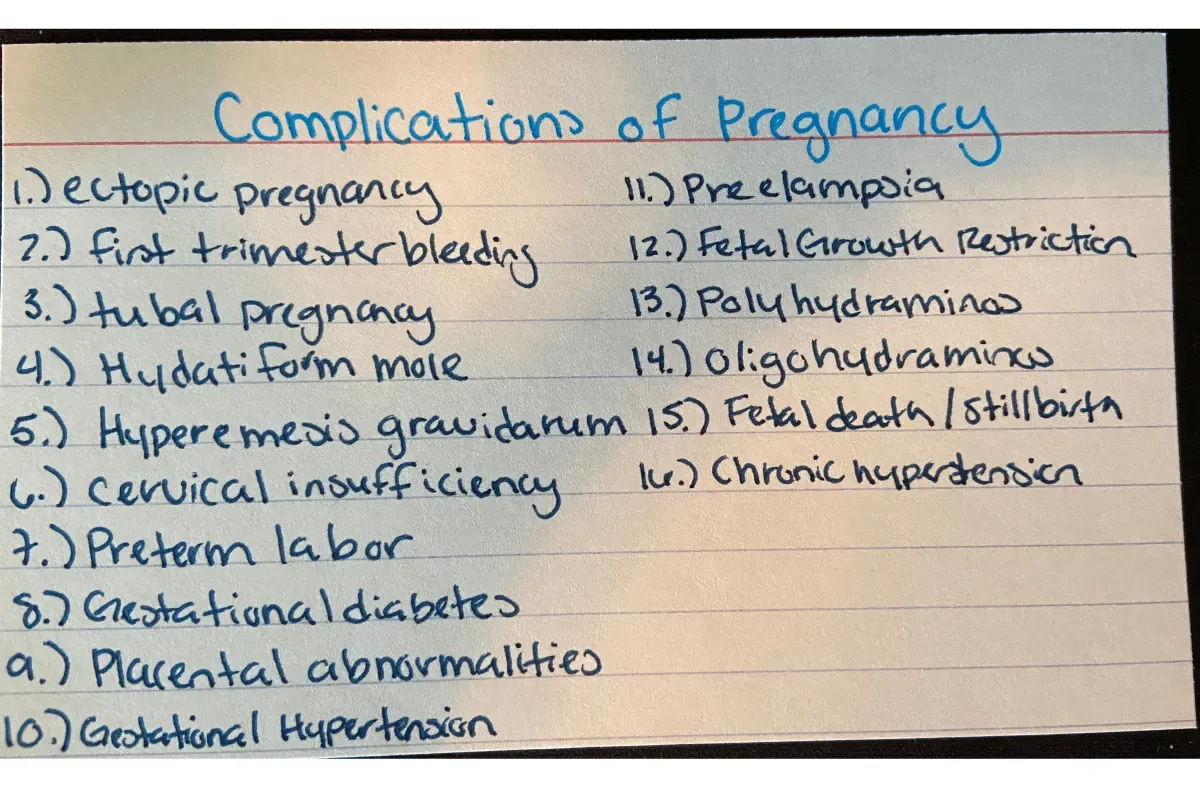
Pregnancy Complications
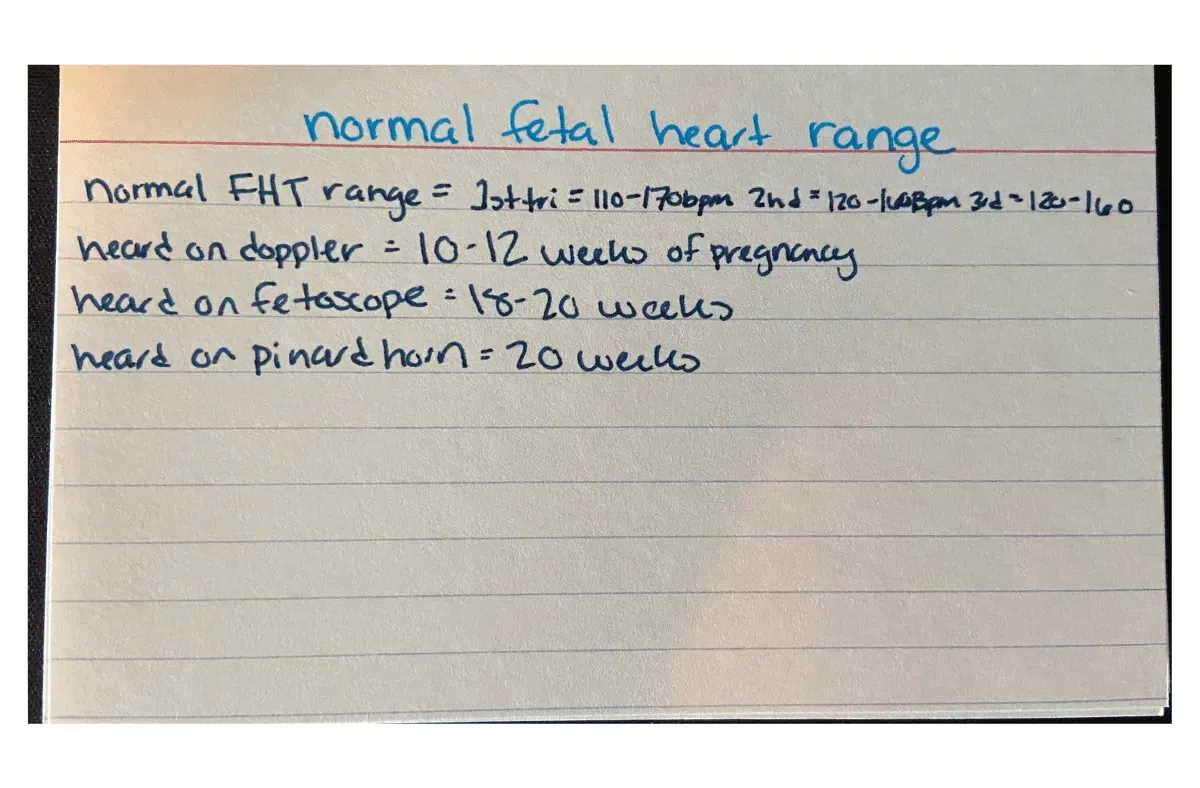
Abdominal palpation, measuring fundal height and listening to fetal heart tones